Ceramic Coating for Black Cars: Achieving a Deep, Glossy Finish
Black paint is a test of patience and technique. When it is right, it looks like a wet mirror, the kind of depth that makes body lines appear carved and the sky look sharper in the panels than overhead. When it is not right, every swirl mark, water spot, and bit of road film jumps out. Ceramic coating can lock in that deep, glossy finish and make it easier to keep clean, but only if the surface is prepared with care and the application respects the quirks of black paint.
Why black paint is unforgiving
Light colors scatter reflections and hide minor defects. Black does the opposite. It emphasizes micro-marring from poor washing, hazing from an aggressive polish, and etching from acidic contaminants. In Florida sun, black paint also runs hotter, which accelerates mineral deposits and chemical reactions. Even on new cars, factory orange peel and light transport marring will sap clarity and lower the gloss potential.
Two realities matter for anyone considering ceramic coating on a black car. First, ceramic is a cosmetic sealant with strong protection and hydrophobics, but it is not body armor. It will not level orange peel or erase deep scratches. Second, the final look is determined more by what happens before the coating than the coating itself. If the prep and polishing reach a high standard, modern coatings will showcase it with serious pop.
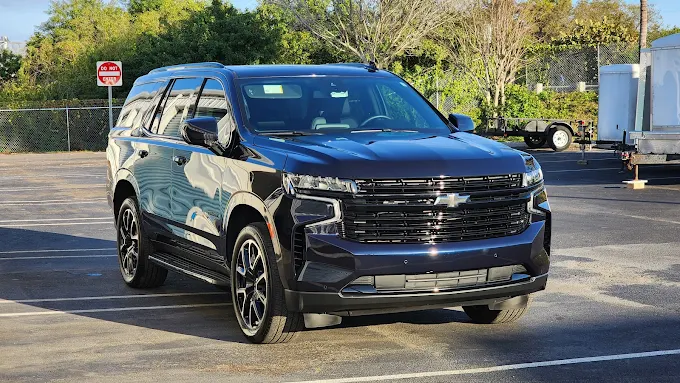
What ceramic coating can and cannot do for black
A quality ceramic coating creates a dense, crosslinked layer on top of the clear, increasing surface tension and reducing the energy needed to sheet or bead water. The practical outcomes on a black car are noticeable. You see tighter beading, slower contamination build-up, easier washing, and a more durable gloss because the topcoat resists oxidation and light chemical spotting better than naked clear. On the road, the coating takes the beating from UV, pollution, and bird droppings before the clear does.
Limits still apply. Coatings are thin, typically in the 0.5 to 2 micron range per layer, even when stacked. A deeper scratch that you can catch with a fingernail will still be visible. Poor wash technique can still induce micro-marring over time, especially on softer black paints found on some domestic and import brands. And while ceramics increase hardness to a degree, hardness is not the same as scratch resistance in daily use. Think of it more as an improved sacrificial topcoat than a shield.
The prep that makes or breaks the result
I have seen black paint gain or lose 10 to 20 percent in measured gloss units depending on how the prep was handled. The ceramics applied afterward were the same. The difference lived in the wash, decon, and polishing sequence. On a new black car, rail dust and bonded iron often cling to horizontal surfaces. If that contamination is not fully removed before polishing, it breaks down under the pad and creates haze. On older cars, tar, overspray, and heavy water spotting need staged removal to avoid chasing your tail with compounds.
Here is a practical checklist to set the stage for a deep, crisp finish on black paint:
- Thorough pre-rinse and pH-balanced contact wash with a clean mitt, two-bucket method or a pressurized foam setup.
- Iron remover on all painted surfaces, followed by a gentle mechanical clay with abundant lubricant to minimize marring.
- Solvent wipe for tar and adhesive residue at rocker panels, wheel arches, and behind the wheel wells.
- Tape trim and sensitive edges, and measure paint thickness to map safe polishing zones around repainted panels or thin clear.
- Flood rinse and forced-air drying to avoid towel-induced swirls before correction.
Those five steps sound routine, but the execution matters. Use fresh wash media, change rinse water when it turns cloudy, and keep the clay pad or bar impeccably clean. If you see clay marring on black paint during decon, do not panic. You are polishing next. You need a consistent canvas, not a perfect one at this stage.
Polishing black paint to a deep, liquid look
Correction on black cars is where experience shows. The goal is to remove defects while keeping the finish free of haze and micro-marring. That tradeoff drives pad and polish selection, machine speed, pressure, and lighting. Under white shop lights, a panel can look flawless. Roll it into the sun or hit it with a focused LED, and you may see a faint fogginess. That fog is microscopic scratching from abrasive grains or pad fibers.
On harder German clears, a microfiber cutting pad and a diminishing abrasive compound can remove moderate swirls quickly, followed by a fine foam and a finishing polish to refine. On softer Japanese or American clears, a one-step polish can sometimes do 80 percent of the work in a single pass if the defects are light, but soft paint also re-mars easily, so pad choice leans toward fine foams and ultrafine polishes. Slow your arm speed, work small sections, and check often. The finish on a black hood tells the truth under a swirl finder more than under ceiling lights.
If your eye is tuned, you can manipulate perceived depth, not just clarity. Finishing polishes that leave a slightly warmer tone can flatter jet black. Coatings add their own refractive index. Some skew toward sharp, glassy reflections, others toward a richer, inkier look. On a black sedan I prepped last summer, a two-step process with a medium cut, then a long working, oil-rich finishing polish lifted the gloss by 8 to 12 GU panel by panel. The coating then amplified that clarity without shifting the tone cooler than the owner wanted.
Application nuances that affect depth
Applying ceramic to black paint is not harder, but the feedback loop is tighter. You must be hyper aware of high spots and solvents flashing in warm panels. Work indoors if possible, or at least in shade with stable panel temperatures. Most pro-grade coatings prefer 60 to 80 degrees Fahrenheit and moderate humidity. In coastal Florida, humidity is a constant factor, so control what you can with airflow and cure aids.
I spread the product in a tight crosshatch with slow, even passes. Give it a moment to set as the solvents flash, then level with one towel and finish with a second, lighter touch towel. If you see a faint streak, angle your light obliquely and re-level before the product crosslinks. High spots on black are brutal to chase once cured. Many brands allow a second layer within a specific window. If you stack, make sure the first layer is fully flashed and leveled, and extend your flash time a bit to account for the base layer inhibiting solvent escape.
A short-wave IR lamp can tighten the early cure, but do not bake the paint. Panel temps should remain safe to the touch. Baking helps in humid conditions because it accelerates solvent release, which reduces the risk of patchy curing that you sometimes see as a matte bloom on black if a coating is rushed.
Case notes from the bay at Aaron's Automotive Ceramic Coating, Paint Protection Film and Tint - Largo, FL
At Aaron's Automotive Ceramic Coating, Paint Protection Film and Tint - Largo, FL, black cars roll through year round, and Florida weather tests every assumption. One memorable week, a black C8 Corvette came in brand new from the dealer, still dusty from transport film removal. Under strip lighting, the paint looked decent. Under a pinpoint LED, it wore a matrix of dealership wash swirls and a few rotary trails near the mirror caps. Paint readings were healthy, aaronsautomotivedetailing.com car detailing averaging 120 to 150 microns across panels, with a resprayed front bumper reading slightly thinner at 100 to 110.
We staged the correction with a cautious approach on the bumper using a fine foam and a low-cut polish to preserve clear. The rest of the car got a measured medium cut on a microfiber pad at low speed, then a long-set finishing polish on a black foam to restore absolute clarity. On black, you see the transition instantly. The hazy fog behind light sources crisps up, and the reflections under the shop door frame become razor straight. After a two-layer ceramic with generous flash times to account for Gulf humidity, we used IR to help the early cure. The owner returned a month later after a rainstorm week. Water sheeted cleanly on the long hood, and there was no spotting burned into the clear. The car was easier to rinse and air dry, exactly what a well-executed ceramic should deliver on black.
Maintenance that preserves the finish
Ceramic reduces how often you need a heavy wash, but it does not remove the need to wash carefully. The first month after application is critical. Avoid harsh chemicals until the coating fully cures per the brand’s spec, typically 7 to 30 days. After that, a disciplined routine keeps black paint at its peak.
- Pre-rinse thoroughly, then use a quality pH-neutral shampoo and a plush wash mitt reserved for paint.
- Wash top to bottom, flipping or swapping mitts rather than pushing grit. Keep a separate mitt for lower panels.
- Rinse and use forced air to blow out water from mirrors, emblems, and trim, then finish with a soft drying towel by blotting instead of dragging.
- Apply a compatible silica spray or topper every few washes to refresh slickness and boost water behavior.
If the car lives outdoors, expect to decontaminate with an iron remover every 4 to 6 months to clear embedded fallout. On black, maintenance claying should be infrequent and gentle. If you must clay, plan a light jeweling pass afterward to protect against any introduced haze.
When paint protection film beats ceramic on black panels
There are parts of a car where impacts, not just chemical exposure, do the damage. Hoods, bumpers, mirror caps, and rocker panels eat sand, bugs, and road grit. Ceramic coating resists etching better than bare clear, but it cannot absorb the physical abuse of highway debris. That is where paint protection film steps in. Modern PPF is optically clear, with self-healing top coats that erase light marring when warmed. On black cars, quality film that is installed cleanly will disappear visually after a week or two as the adhesive fully levels.
I often suggest a hybrid approach for black cars that see highway miles: PPF on the front clip and high-impact zones, ceramic coating on the rest. The film takes the hits, and the coating simplifies cleaning and preserves gloss elsewhere. If you choose both, coat the film as well. Ceramic on top of PPF adds slickness and UV resistance to the film’s top layer. The trick is coordination. Film first, allow time for outgassing, then coat both film and paint in one coordinated session.
When PPF beats ceramic on black cars: insights from Aaron's Automotive Ceramic Coating, Paint Protection Film and Tint - Largo, FL
At Aaron's Automotive Ceramic Coating, Paint Protection Film and Tint - Largo, FL, we have measured long term outcomes on black daily drivers. A black SUV that commuted over the Howard Frankland Bridge without film needed periodic front bumper polishing to chase etching and peppering, even with a ceramic. The same model, same route, but with an 18 to 24 inch hood wrap and full bumper PPF, showed dramatically fewer rock strikes and zero etching visible at a year. The coated film stayed slick, and bugs released with a pre-soak and a light wash, no scrubbing required. On black paint, that is the difference between preserving thickness and slowly grinding away clear to chase defects.

What about graphene, SiC, and other ceramic chemistries
Ceramic coatings use different chemistries to crosslink and bond. You will see SiO2-heavy formulas, silicon carbide variants, and graphene-infused blends. On black paint, the differences show up more in maintenance feel and water behavior than in magical scratch immunity. SiC formulas can be more chemical resistant and may cure a touch denser, which helps with water spotting in hot climates. Some graphene-labeled products skew toward slow-sheeting water rather than tight beading, which can leave fewer standing beads on large horizontal black panels in summer sun. The critical factor is less the label and more the installer’s familiarity with the product’s flash window, leveling behavior, and cure response to humidity.
For pros, consistency matters. If I can deliver uniform, high gloss and predictable maintenance outcomes across many black cars with a given system, that is more valuable than chasing the newest additive. On customer cars I see annually, the difference between a well-prepped, well-applied coating and a rushed job dwarfs the difference between two reputable chemistries.
Lighting, environment, and the last 5 percent
The easiest way to miss the last layer of haze on black is to use only ambient light. Cross check with multiple light sources: diffused overhead to see panel flow, tight point-source LEDs to chase micro-marring, and natural light when possible. Rotate the car if you can. Windows and door frames make useful straight-line reflections to judge leveling. If a coating leaves high spots, they often appear as duller, greasy streaks at low angles, especially on the lower half of doors. Catch them immediately. After full cure, leveling requires abrasive correction, which is avoidable work on black.
Temperature control is your friend. In Largo’s summer heat, panels can sit above 100 degrees after a short drive. Let the car cool before coating. Warm clear not only flashes solvents faster than you anticipate, it also expands. As it cools, you may see slight print-through of high spots that looked fine during application. Taking fifteen extra minutes to stabilize panel temperatures will save an hour of rework the next day.
The finished look pairs well with subtle window tint
Black bodywork with a measured window tint reads coherent. It is not just about shade, it is about balancing the gloss and reflections across the whole vehicle. On darker cars, a legal ceramic window tint knocks down interior glare and heat, which protects trim and dashboards that cook under Florida sun. From a detailing standpoint, interior preservation matters because brittle trim becomes dust-prone and sheds onto door sills and paint, which contributes to wash-induced marring.
A tip if you plan both services: schedule tint before final coating when possible, or allow tint installers to finish and outgas adhesives fully before a ceramic job. That timing reduces the risk of airborne contamination landing on freshly polished black paint. Coordinate with the installer on timing, and ask them to keep door frame towels clean. Tiny adhesive smudges on black B-pillars become unnecessary polishing later.
Coordinating services with Aaron's Automotive Ceramic Coating, Paint Protection Film and Tint - Largo, FL
For multi-service visits, the team at Aaron's Automotive Ceramic Coating, Paint Protection Film and Tint - Largo, FL staggers work so the car spends less time exposed between steps. Film first on high-impact panels, tint next to close out interior work, then paint correction and ceramic to seal the deal. In the bay, they run filtered air, keep separate cart setups for polishing and coating, and enforce towel discipline by panel. Small process controls like that prevent the stray lint or solvent mist that can ruin a black panel’s clarity at the eleventh hour.
Common pitfalls that dull black paint after a ceramic
Most owners lose gloss in the wash, not on the road. Using a drying blade or old bath towel scratches black quickly. So does washing in direct sun where shampoo bakes before you can rinse. Automatic tunnels, even touchless ones that rely on harsh chemicals, accelerate spotting and dull the hydrophobics. Skip acidic wheel cleaners on paint, even if overspray is brief. On coated black cars, gentle chemistry paired with good technique wins the long game.
Another pitfall is neglecting water spots. On a hot black hood, minerals set fast. If you find spots after a surprise sprinkler, treat them sooner rather than later with a mild spot remover or a diluted vinegar wipe before they harden. Coatings improve your margin of error, but they do not grant immunity to mineral etching in extreme heat. If a spot etches, a quick local polish can often remove it from the coating without touching the clear. Waiting months converts what could have been a five-minute fix into a full panel correction.
When to choose a single-stage polish versus a full correction
Not every black car needs a two or three-step correction before ceramic. If your paint is new and only shows light transport marring, a careful single-stage polish with a finishing pad and a fine polish can restore clarity without removing unnecessary microns of clear. The test is visual and measured. If swirls are superficial, and you see uniform improvement with minimal pressure, that is a green light for a one-step. If defects vary across panels or you see deeper RIDS, plan a targeted two-step where needed and leave healthy panels alone. Preservation is part of car detailing, not just perfection.
On soft black paint, a one-step may look perfect indoors and still show a hint of haze under sharp light. Do not be surprised if you need to micro-adjust your polish or pad. A half-step change, like moving from a polishing foam to an ultrafine pad with the same polish, can close that last 5 percent.
Measuring success on black: beyond the gloss meter
Gloss meters are useful, but black paint benefits from human perception tests. Look for the way straight lines reflect at the edge of panels. Crispness of reflected edges tells you about surface refinement better than a single number. Step back ten feet and observe panel-to-panel consistency. If the hood glows but the fenders look a hair gray, your correction or coating leveling was not consistent. Drive it into daylight. If clouds look pure and white in the reflection without a halo, you nailed the finish. If you see a faint ghost around bright reflections, revisit your finishing polish or inspect for high spots.
At shops that live with black cars, the team trains eyes with side-by-side comparisons. A freshly coated black panel next to an untouched one sets a baseline. You learn quickly that the best ceramic jobs on black are invisible as products and obvious as results. The paint looks deeper and stays that way with less fuss.
Putting it all together for a lasting deep, glossy finish
Start with solid decontamination and gentle technique to avoid adding problems before correction. Choose polishing combinations that match your paint’s hardness and your target level of perfection, checking under multiple lights. Apply ceramic with patience, watch the flash, and level thoroughly. In hot, humid climates, consider aided cures and longer flash windows. Use PPF where flying debris is the main threat, then coat everything for uniform behavior. Add window tint to reduce interior heat and complement the exterior look. Maintain with clean tools, mild chemistry, and airflow whenever possible to dry.
Black cars reward discipline. When dialed in, they look like wet ink, with reflections so sharp you can read tiny text in them. Ceramic coating does not create that look by itself, but it locks in the clarity you earn during prep and makes it far easier to keep. Done right, the payback shows every time the sun hits the panel and the car seems to gain another dimension.

Aaron's Automotive Ceramic Coating, Paint Protection Film and Tint - Largo, FL
6270 118th Ave N, Largo, FL 33773
(727) 249-1350
FAQs About Window Tinting & Ceramic Coating
What are the legal requirements for window tinting in Largo, FL?
In Florida, the front side windows must allow more than 28% of light in, while the back side and rear windows must allow more than 15%. Windshield tinting is only allowed above the AS-1 line. It's important to follow these regulations to avoid fines and ensure safe visibility.
Can window tinting reduce the heat inside my car?
Yes, professional window tinting can significantly reduce heat inside your vehicle by blocking a large percentage of infrared rays and UV radiation. This helps keep your car cooler, improves comfort, and protects your interior from fading.
What is the difference between a car wash and a ceramic coating?
A car wash removes dirt and contaminants from the surface, while ceramic coating provides long-term protection. Ceramic coatings bond to your vehicle’s paint, creating a hydrophobic layer that repels water, dirt, and contaminants while enhancing gloss and durability.
How often should I have my car ceramic coated?
Ceramic coating is typically applied once every 2 to 5 years, depending on the product used and how well the vehicle is maintained. Regular maintenance washes and proper care can extend the lifespan of the coating.
How long does ceramic coating take to apply?
Ceramic coating usually takes 1 to 3 days, depending on the condition of the vehicle and whether paint correction is needed beforehand. Proper curing time is essential for maximum protection and performance.
Do I need paint correction before ceramic coating?
Yes, paint correction is highly recommended if your vehicle has swirl marks, scratches, or oxidation. This step ensures the surface is properly prepared, allowing the ceramic coating to bond effectively and deliver the best results.